

(Note: All photo credits posted at the end of this article).
This is 2026, and June 21st is Father’s Day. This day reminds me of a personal experience from decades ago, when a highly respected Hollywood voice coach shared his observations with me about the impact of fathers on the lives of children.
Many of his students were young people aspiring to fame, hoping it would fill the void they had experienced growing up — situations where prosperity could not mitigate the pain of growing up without the security and comfort of parents reliably present and in traditional settings.
During my first audition with the respected Hollywood voice coach a singular question was posed to me.
The Maestro was not taking new students. He was 86 years old, survived numerous health challenges, and had no hesitations about turning students away. Trained as a young man at the Royal Conservatory of Music in Milan, Italy, and after opening to excellent reviews in New York City decades previous to my meeting him, he had decided to teach rather than perform. He earned his reputation as the “Hollywood Starmaker”, perhaps a label since applied to others, as this was a long time ago.
I was granted the audition thanks to the fortuitous referral of an existing student. As the vocal testing proceeded, the Maestro chatted intermittently. He wanted only serious students, not the type expecting to become billable superstars in two weeks. He’d seen and rejected quite a few of those. In Milano, they studied hard for ten full years before being allowed to take the stage. In America it was not unusual for young people to think they could get all the training they needed for a “big break” in two weeks!
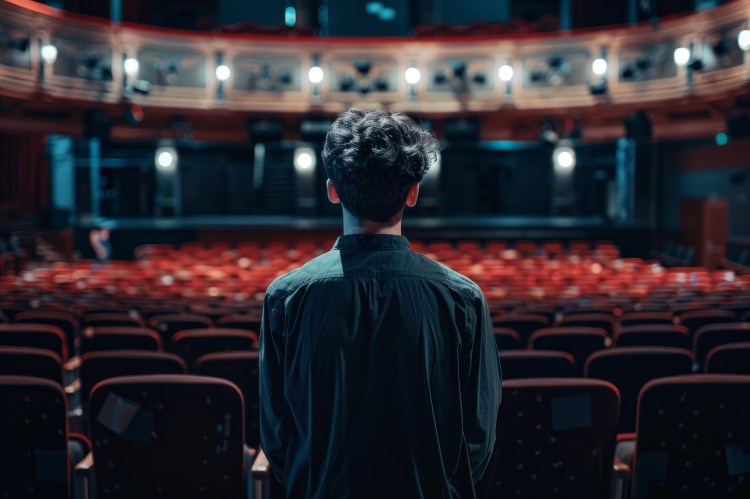
A first fiasco is never the recommended way to launch a career — or a life! To perform well requires an underpinning of confidence not achieved without years of preparation, professionally and personally.
At the Maestro’s behest, I discussed my business pursuits, personal interests, goals, etc. He asked me no detailed questions about my childhood. Near the conclusion of the session, however, this very wise man lowered his head a bit, looked straight into my eyes and said:
“You had a mother at home growing up, didn’t you?”
Surprised, I said, “Well, yes, I did”.

And he said, “I can tell”, as he shook his head. Because Hollywood was full of aspiring and even successful people who never had what he discerned as a luxury from my past. Wealth measured nothing to what he felt carried more weight with a child than the security and attention of a mother at home. He said he recognized an unmistakable core of confidence evident in those raised in traditional homes, with both parents involved, compared to those raised — with or without wealth — when those patterns were broken. Home is a child’s first “stage” — where the child’s sense of worth is established through the love and attention of parents and close family. The time and setting is precious, and passes quickly.
A mother at home. What does that mean, what does that require, and what does that accomplish?
First, to have a mother at home means there must be another means of support. There must be a husband, father, provider. That is the traditional family. If the father is missing, then Mom is missing, too, most often working an outside job, and overly stressed with the rest of her duties.
The first stage of development — the stage where a newborn learns his or her value and acceptance — is in the arms and presence of his or her family.
The father makes it possible for the mother to devote herself entirely to her household and family, which means the children never have to wonder if there’s anyone home to take care of their bruises, answer their questions, help with schoolwork, feed, clothe and otherwise see to their comforts and security. No latchkey syndrome. And then there is Dad, always at work, but he comes home. The children know him, get excited when he shows up. Dad is the stabilizing force in the home, and so very, very special.
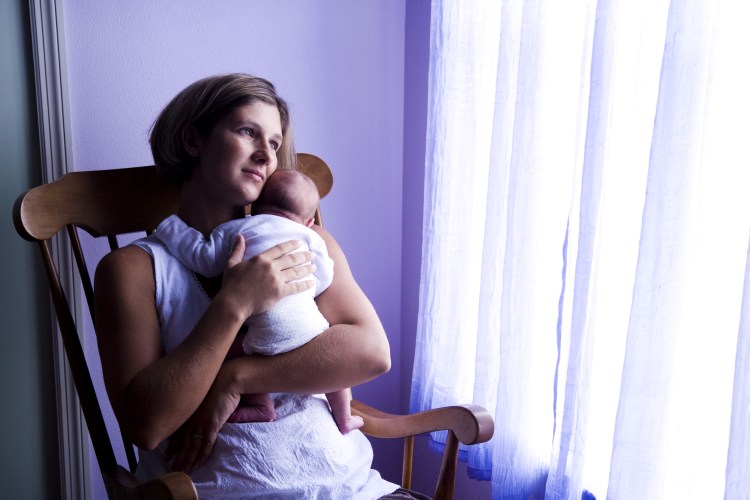
Mom is the anchor to the children’s development. If she does her job exceedingly well, she imparts wisdom, good character lessons and the kind of self-discipline needed for success in life and work later. Her hard work allows the father to focus on his own responsibilities which are huge, because everything rests on his shoulders, and the children can see that, or should. Assuming the father is also doing his job, not just in his career but in the home, we have a secure model for children to develop in. The father’s presence imparts strength, confidence and a sense of security that lasts for life.
Is there anything wrong with the traditional picture?

No. In principle, the traditional model is ideal. In practice, because people are imperfect, the model does not always work as it should, but statistics abound supporting it.
In the end, if the model is broken, everyone suffers, but children suffer the most, because going forward in life they have no memory of a working model to replicate.
In the Maestro’s life, what he witnessed most often were young people desperate to find security and confidence in the attention and praise of others, in an effort to fill the void they grew up with. No amount of applause would ever replace the empty home, especially if that home was empty — or half-empty — because Mom, Dad — or both — were too busy elsewhere getting applause for themselves. Full-time maids, caregivers and lavish gifts never replaced the time, the hugs, and the precious small moments missed in those early years.
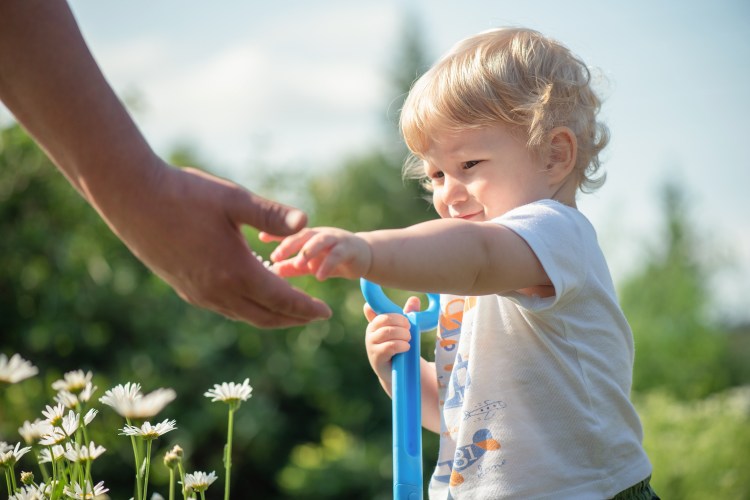
My coach was right. My early life was rich with the luxury of having two attentive parents. I received gifts that could never be undone. I have memories from when I was only several months old. Those times when my tummy hurt late at night, and Mom needed her sleep, so Daddy would hold me against his shoulder, his big hand spread securely across my back… He would lose his own sleep walking back and forth across the darkened room until I stopped crying and went to sleep. That was the love of a father. There were good times and not-so-good times, but he was there, and that is what mattered. And Mom knew she was not alone, always supported.
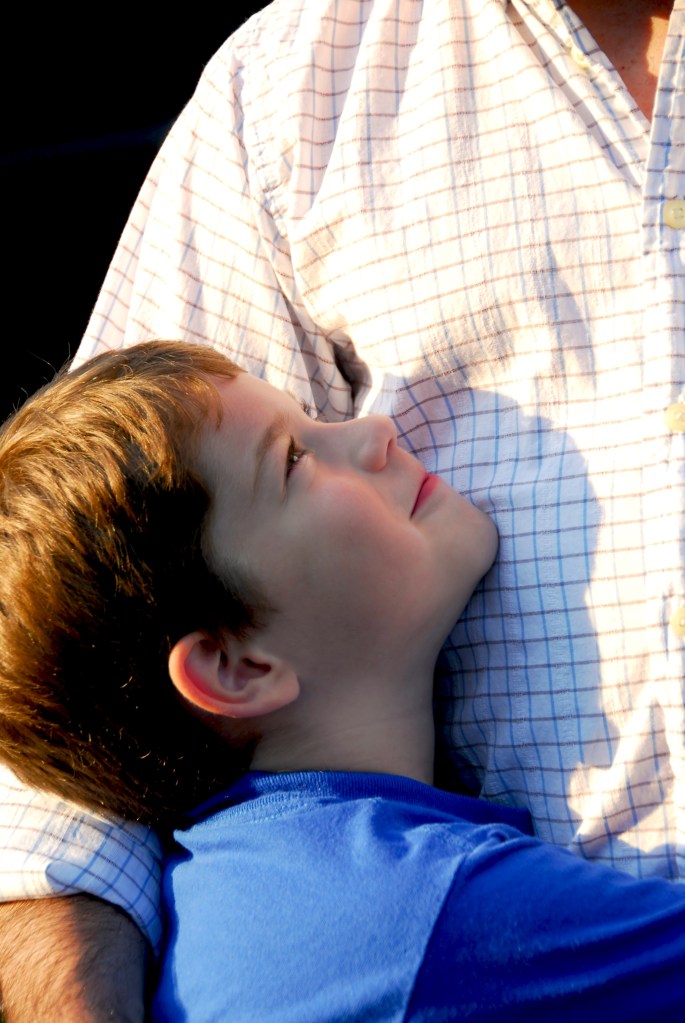
To live well, like performing, requires an underpinning of confidence. That is one of the enormous gifts that men bequeath to their children. The children gain that knowing they are worthy of the father’s attention. To diminish those roles is like building a house on sand, sure to fall in the storms. The strongest foundations are those which include both parents. That is the first “stage” in life where children learn they are valued and loved.
©Copyright 2017/2026 Nancy Diraison/Diraison Publishing; All Rights Reserved. June 21, 2026 / (Revised from Father’s Day, 2017) Respectful sharing permitted with appropriate source credit and link back to this website. Copyright infringement constitutes fraud and theft.
For more encouragement on traditional families, see our article, “Do You Work? In Honor of the Stay-at-Home Mom”
Dreamstime photo credits:
Headline image/family: ID 119764842© Lightfieldstudiosprod| Dreamstime.com
Father/son on motorcycle: ID 108788332© Rawpixelimages| Dreamstime.com
Young performer facing empty stage: ID 325490159© Ylivdesign| Dreamstime.com
Parents holding baby: ID 91377881© Inara Prusakova| Dreamstime.com
Mom rocking baby: ID 10549890© Goldenkb| Dreamstime.com
Family on couch:ID 71523939© Monkey Business Images| Dreamstime.com
Little girl reaching for father’s hand: ID 186934333© Natali Filina| Dreamstime.com
Boy looking up at father: ID 1170080© Elena Elisseeva| Dreamstime.com
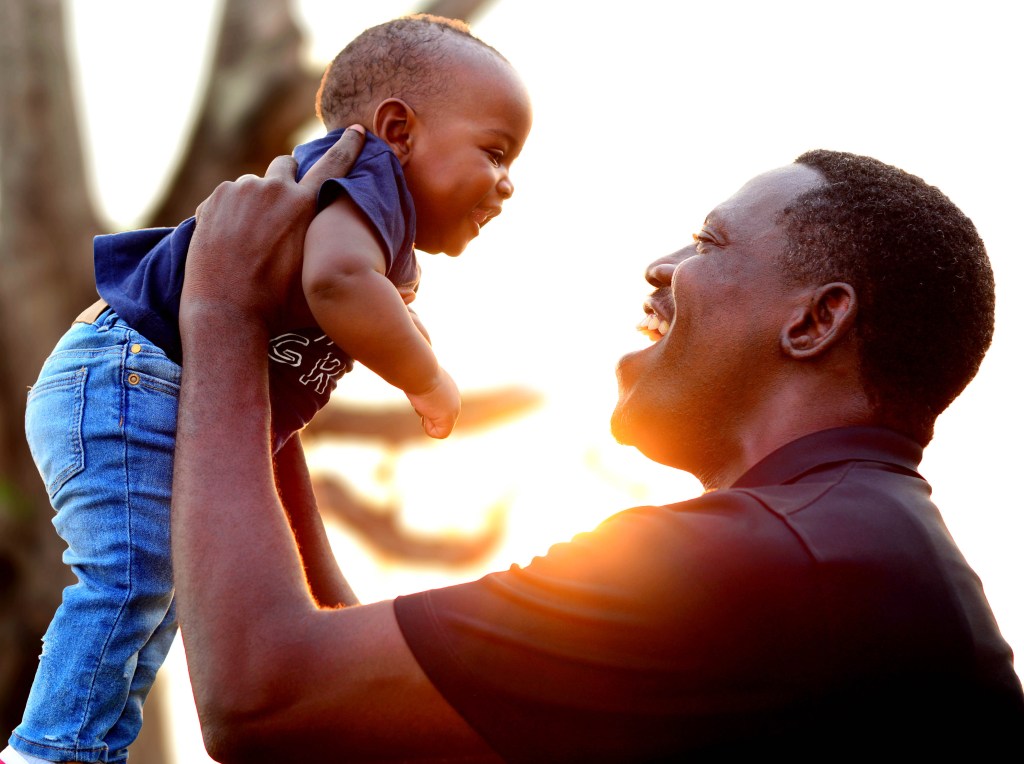
Father holding up son: Father/baby son: ID 165577683© Nelson Ikheafe| Dreamstime.com

